From Raskolnikov to Aiwaz
33 Books That Changed My Life (for Better or Worse), Part 2
9. Crime and Punishment, by Fyodor Dostoyevsky (age twenty).
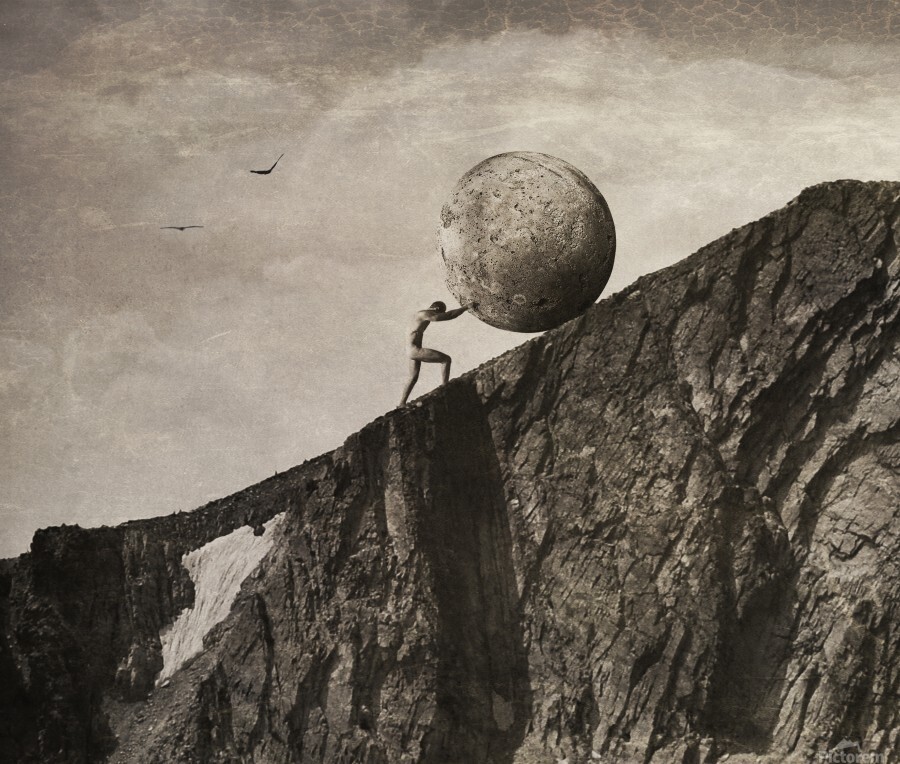
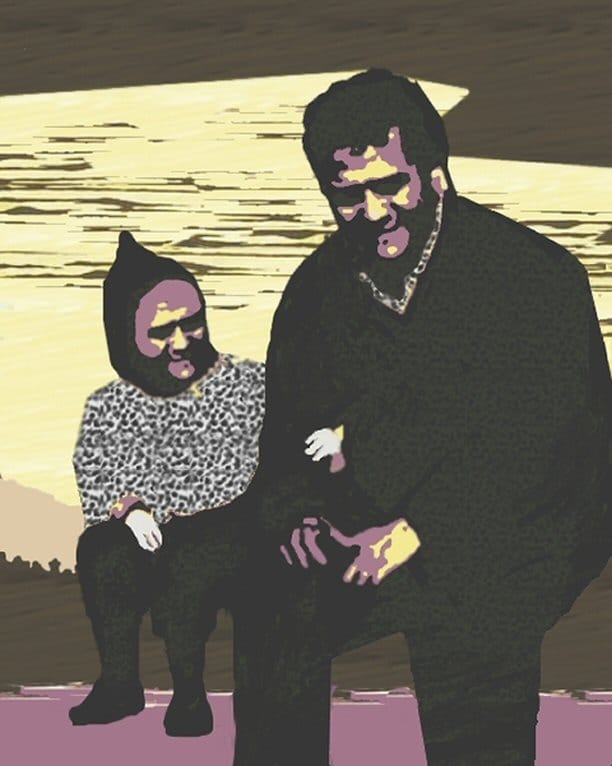
This was the breakthrough, the first adult novel that opened up my eyes to the power of fiction, while simultaneously cementing a fascination for psychopathology, despair, the criminal mind, and the correlation between extreme intelligence and insanity. I had already begun to explore these themes a decade before, with Pan horror books and Roald Dahl’s adult fiction, and then by reading Colin Wilson’s Criminal History of Mankind at around age fourteen. It only came into full fruition, I think, when I read Crime and Punishment. I had just moved to New York in 1987, and was living alone for the first time in my life.1 Dostoevsky’s depiction of the intellect’s unholy tendency towards contempt for others, combined with secret self-loathing, hit home for me. His merciless honesty, his willingness to uncover, identify, and fathom his own worst impulses was above all what created such an intense feeling of affinity. I went on to read all of Dostoevsky’s major novels in the next five years, and was introduced to the figure of Christ via The Idiot and The Brothers Karamazov. The latter was the last Dos book I read. Shortly after disinheriting my family fortune and moving to Morocco, I succeeding in shoplifting it from a tiny English bookshop in Tangier. A thousand pages of all-new Dostoyevsky to stave off the unbearable loneliness for the next couple of dozen nights! (I am sure I rationed myself.) What a feeling that was!
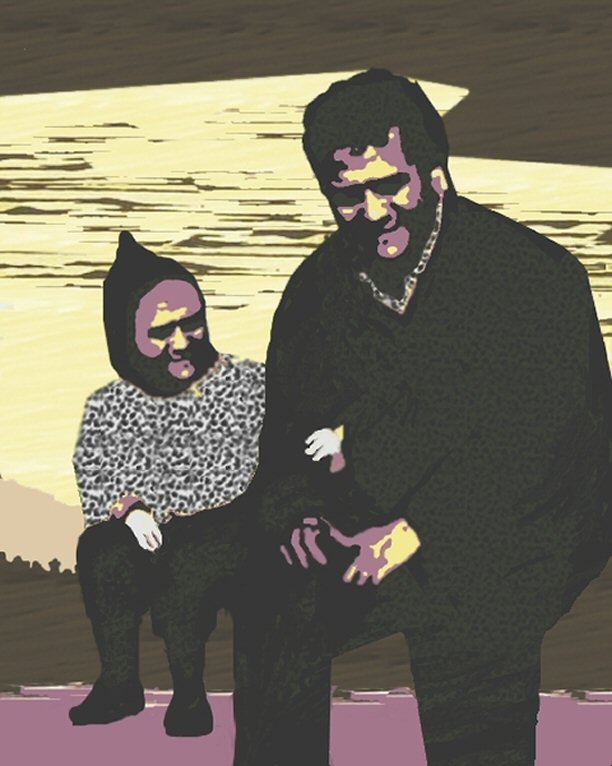
10. Journey to Ixtlan, by Carlos Castaneda (age twenty-one).
In fact, I read all eight Castaneda books available at that time (up to The Power of Silence), back to back, in a period of maybe three months in early 1989. After that, I learned Spanish and moved to Oaxaca, Mexico, to seek a “nagual” sorcerer, on Sept 7th, 1989. I singled out this particular book as the one I returned to most often, and one of four books I took with me to Morocco a couple years later (the others were Portable Darkness: An Aleister Crowley Reader, The Book of the Law, and a compendium of classic short horror stories that included E.T.A Hoffman). I may have read Ixtlan as many as twenty times over two decades, and the others at least a dozen times. I have written and spoken at length about why I no longer consider Castaneda a positive influence, but influence he most certainly was. It would be impossible to guess how differently my life would have gone without these books, but it seems unlikely that I would never have become a seeker of “forbidden” (or occult) truths, in the most individualistic or idiosyncratic ways, or that I wouldn’t have been drawn to the path of sorcery and shamanism, one way or another. But who knows? And, although I said “individualistic,” in fact, countless people did exactly what I did after reading Castaneda, in the seventies at least (and minus the Spanish lessons, a key difference), traveling to Mexico, seeking a nagual (maybe), and taking strange drugs (definitely). The main thing I regret is the drugs; but again, I didn’t really need Castaneda’s influence for that. And, for all the ways the books became part of the demonstrably destructive cultural engineering strategies of the elite, I still regard Castaneda as an almost peerless literary talent, and the books as at least 50% true; or at least valid.
(Art by Michelle Horsley)
11. Cosmic Trigger, by Robert Anton Wilson
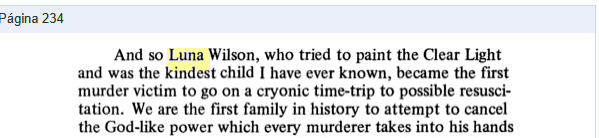
I added this at the last minute when I remembered that I read Wilson even before I read Crowley. He may even have been the “gateway drug” that led me there. I must have found this one on a bookshop shelf, and been intrigued enough to buy it, probably while I was still devouring Castaneda, and curious to delve deeper into the “Mind, Body, Spirit” rabbit hole. I was grabbed at once by the book’s cunningly accessible blend of first-person non-fiction narration, sly humor, skepticism, occultic know-how, and seemingly genuine encounters with the inexplicable (his main focus was ET signals from Sirius, as I recall). I was, however, truly appalled when I read how he had his daughter Luna’s brain cryogenically frozen after she was bludgeoned to death in Berkeley by a random thief. Even at 21, well before I ever heard of transhumanism, I was alert to the obtuseness (and moral dangers) of such a materialistic view of consciousness, and it seriously undermined my faith in Wilson as an unreliable narrator of the strange.
With hindsight, this might have tipped me off that Wilson was someone to steer clear of, but instead I went on to read most of his books over the next ten years. I was especially impressed by his Historical Illuminatus Chronicles series, a trilogy of novels that are vastly superior to the (grossly overrated) Illuminati Trilogy (which I barely got through, and which definitely has a lot to answer for vis a vis “conspiratainment”).
12. The Starseed Transmissions: An Extraterrestrial Report (& Vision), by Ken Carey (formerly “Raphael”) + Watchmen by Alan Moore & Dave Gibbons (aged 20-22)
The Carey titles are the only “New Age” books on this list, and I am slightly embarrassed to have any at all. I had conveniently forgotten to add this title until right before posting, while adding the Wilson entry above and recalling the ET signals from Sirius. The book was recommended by Lyn Birkbeck (! a lot to answer for, Lyn!), and I include it not because the metaphysics of it influenced me, especially (though they may have), or because it led to my reading any similar titles, only because it cemented the idea of living on the cusp of a New Age in which everything, absolutely everything, was about to change, forever. The book (as I just read online) “is today considered a landmark book of the emerging New Age movement and has significantly contributed to a better understanding of the invisible but pervasive influence of heavenly entities.” That last point is at least in conformity with Steiner’s spiritual hierarchies, and I would have to read the books again (not likely) to know just how fluffy or substantial Carey’s extravagant claims were. One thing is for sure, the New Age was cancelled in 2012, or at best postponed (I am fairly sure Carey predicted it soon, otherwise I wouldn’t have adopted this belief myself).
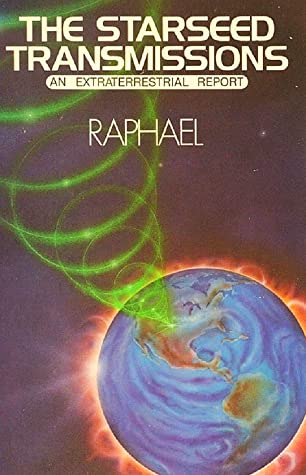
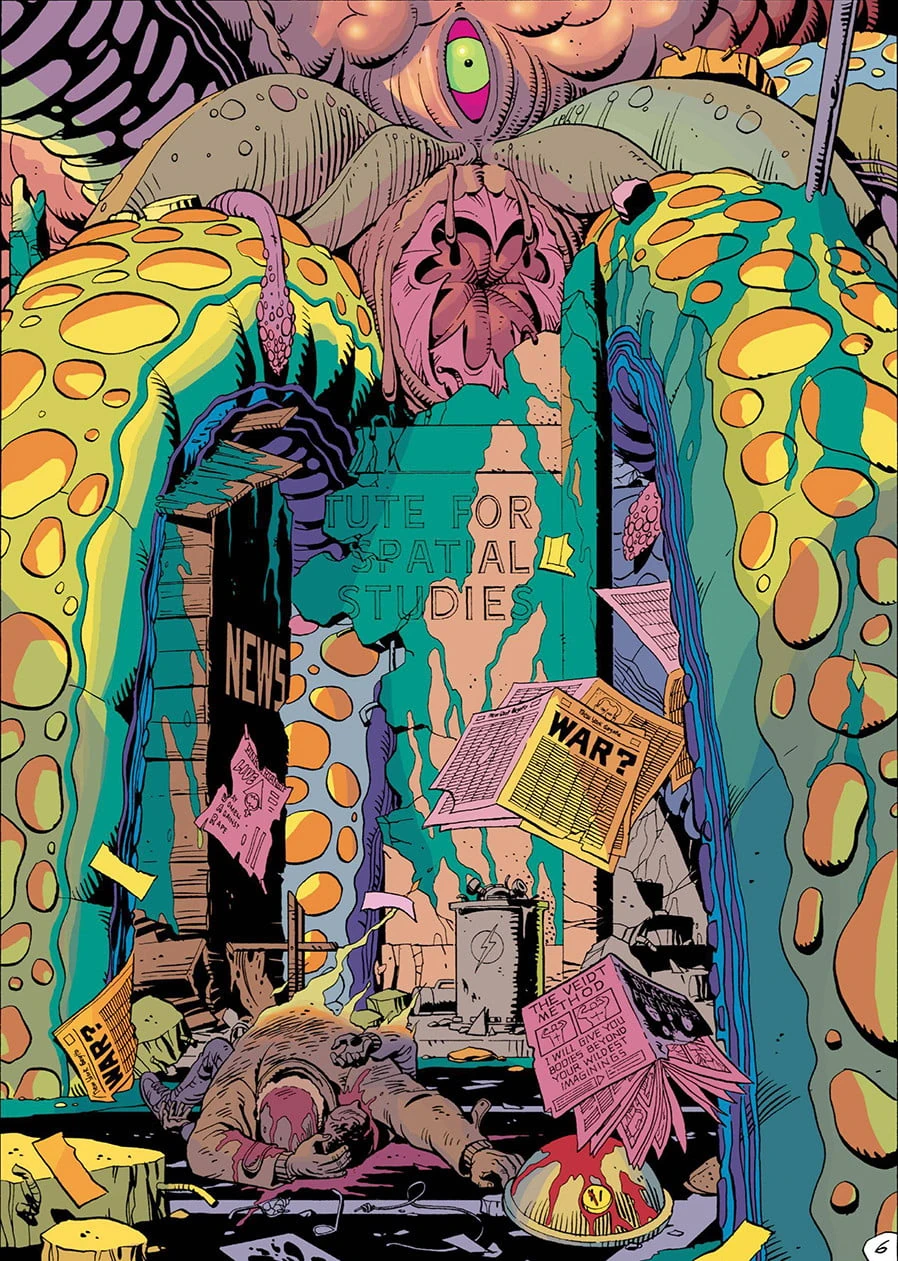
Alan Moore’s Watchmen might seem an odd juxtaposition here, except that, in the apocalyptic finale of the book (altered in the movie), a simulated alien landing (by a similar Behemoth-type being to the one depicted in Iron Man), and the corresponding psychic shock-wave, causes a “new age” to dawn on the planet, albeit brought about by the dark social engineering maneuvers of Übermensch Ozymandias. Moore’s sci-fi prophecy, Carey’s New Age Pollyannaism, and Talking Heads’ last album (released 1988, especially the song “Nothing But Flowers”), all combined to give me the heartfelt conviction that I was, indeed, “living in the end times.” And, while in 2026, I am starting to feel that same way all over again, it is now based on hearing world events, and not on reading channeled materials or comic books. I was at least twenty years ahead of schedule, then, and I am no longer expecting a divine (or even fake) invasion to precipitate the collapse.